

This profile of Fashion Art Toronto’s founder and executive director, Vanja Vasic, is part of Street Meet, FLEETSTREET’s series, where we meet up with trailblazers and thought leaders to deliver unique insight and inspiration into issues we all care about.
Follow FLEETSTREET on Instagram and TikTok.
When I moved to Toronto in 2014, the city’s fashion week felt like a scene from the OG The Devil Wears Prada. Outside the tents at David Pecaut Square, crowds gathered in oversized coats and impossible heels, while photographers snapped street-style shots through the chaos. I remember standing there, thinking everyone looked cooler, sharper and more confident than me. I was obsessed.
People typically look to New York, Paris, London and Milan for fashion inspiration, while Canadian fashion often sits quietly in the background. But more than a decade later, the city’s creative scene feels far more self-assured, and few people have helped shape that evolution more than Vanja Vasic.
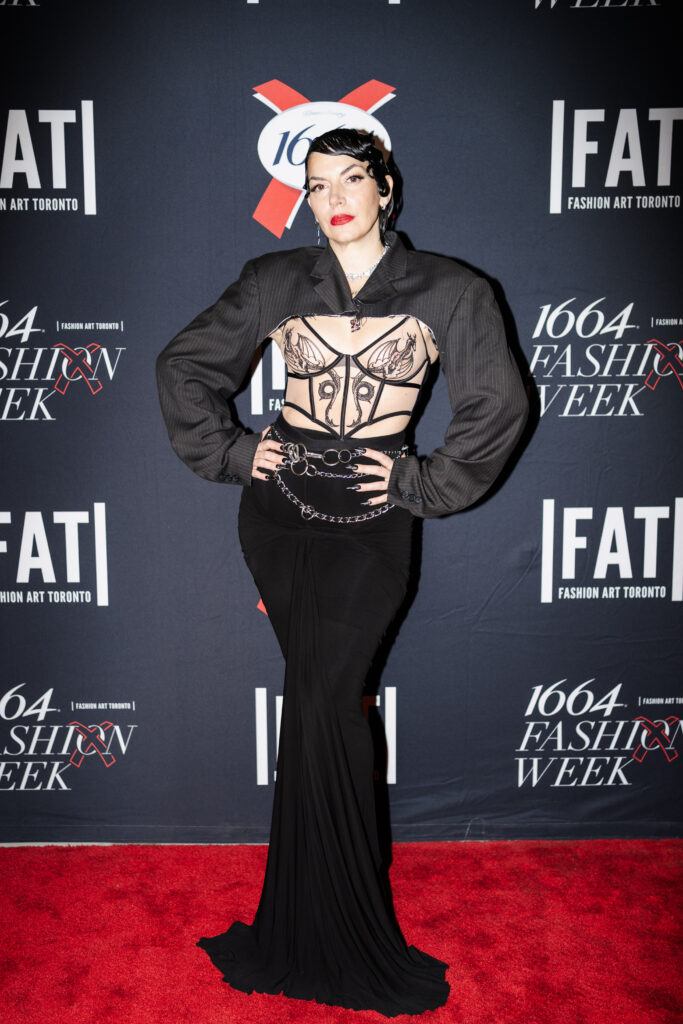
As the founder and executive director of Fashion Art Toronto, Vasic has spent the past 20 years building one of Canada’s longest-running independent fashion platforms. What started in 2005 as an alternative fashion showcase has evolved into a sprawling cultural event that blends runway shows, nightlife, performance art, installations and immersive experiences across the 416.
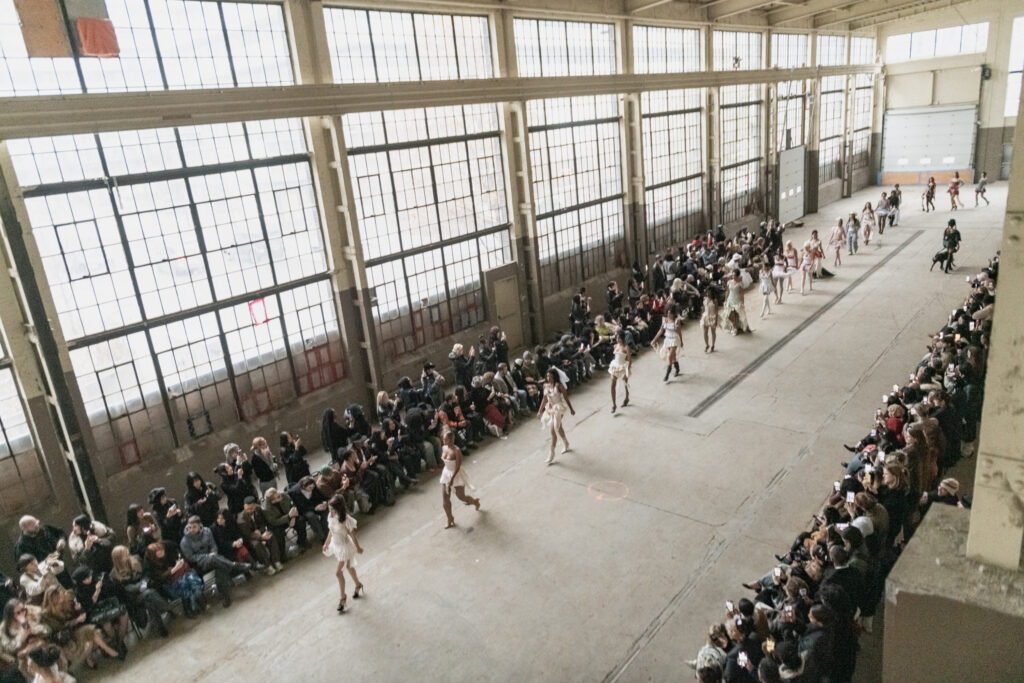
Fashion Art Toronto is more than a runway show
This year’s FAT, running May 25 to 31, feels especially ambitious. The “Fashion Playground” concept will transform T3 Bayside into a 30,000-square-foot fashion hub complete with runway presentations, DJs, shopping activations, immersive installations and nightlife programming. There’s also the HYPE ROOM, created in collaboration with artist Vessna Perunovich, alongside appearances from more than 50 designers, artists and performers.
For Vasic, though, the vision behind FAT was never just about runway shows.
“I had this vision to do something that felt authentic to my own personality and to the city where I was growing up,” she tells me over coffee. “I wanted fashion to feel inclusive rather than exclusive. I wanted people to feel welcomed into it.”
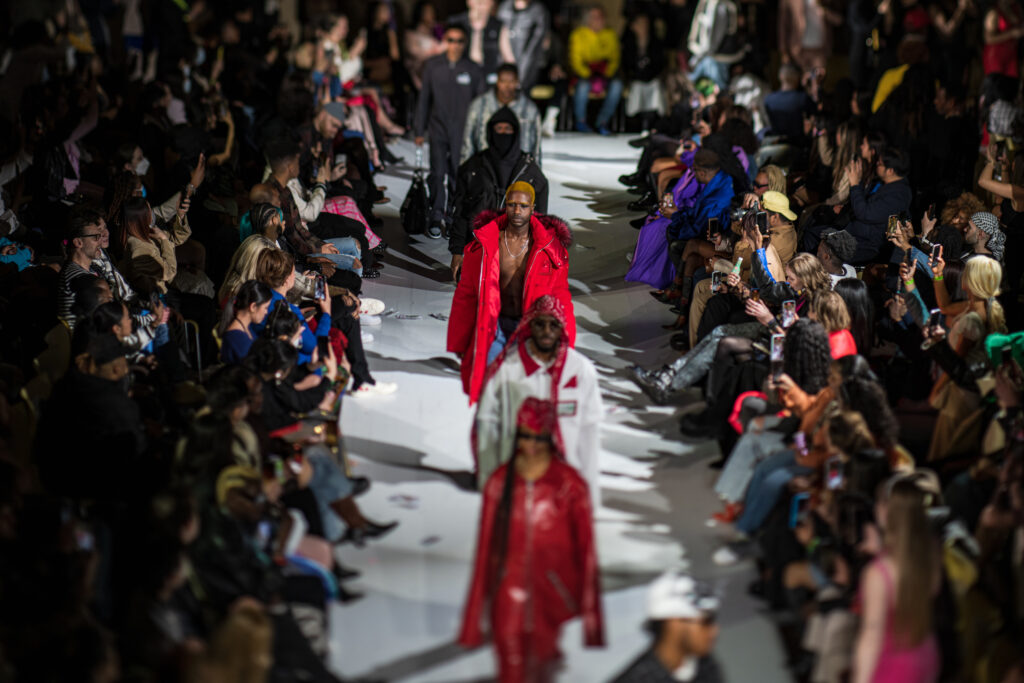
Raised by artist parents, she and her family immigrated to Canada from Serbia when she was a child. Vasic grew up surrounded by performance art, film, installation work and creative experimentation. That multidisciplinary perspective eventually became the DNA of Fashion Art Toronto itself, she says.
“It was always part of the original vision to have fashion and art colliding and combined,” she says. “Originally, we had a runway show in one venue, then maybe a small gallery exhibition or a band performance somewhere else. Now we finally have the space where we can bring it all together under one roof.”
Fashion Week in Toronto feels different in 2026
That collision of fashion, art and nightlife feels especially relevant in 2026, when fashion events are becoming less about traditional runway presentations and more about immersion. People no longer want to just watch fashion; they want to immerse themselves in it, she tells me.
The energy around FAT this year reflects that shift.
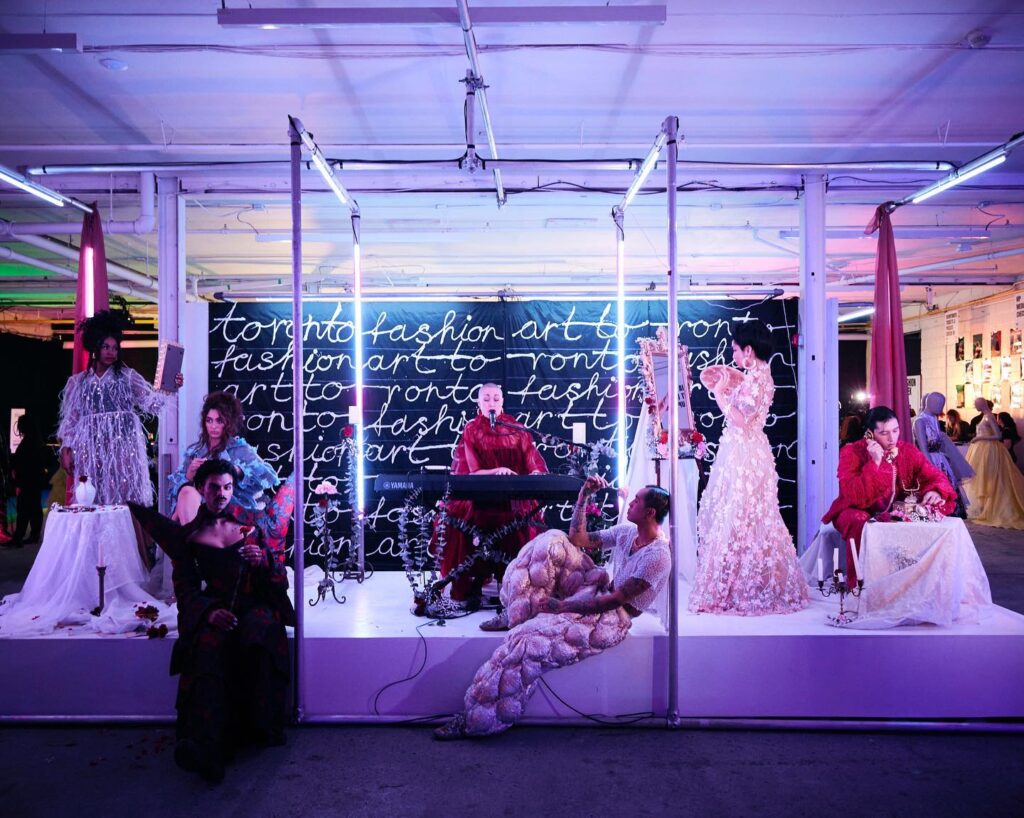
The industrial warehouse setting at T3 Bayside, the large-scale installations, the performances and the nightlife programming all feel intentionally cinematic. Less “sit quietly in your assigned seat” and more cultural experience.
This year’s programming is also expanding beyond the main venue and into other spaces in Toronto. One of the most talked-about activations will take over the former Hudson’s Bay and Saks spaces on Queen and Yonge streets, transforming the once-iconic retail destination into a backdrop for fashion presentations and immersive experiences. In many ways, the choice is symbolic of where fashion culture may be headed in Toronto: less traditional retail and more experience-driven community spaces.
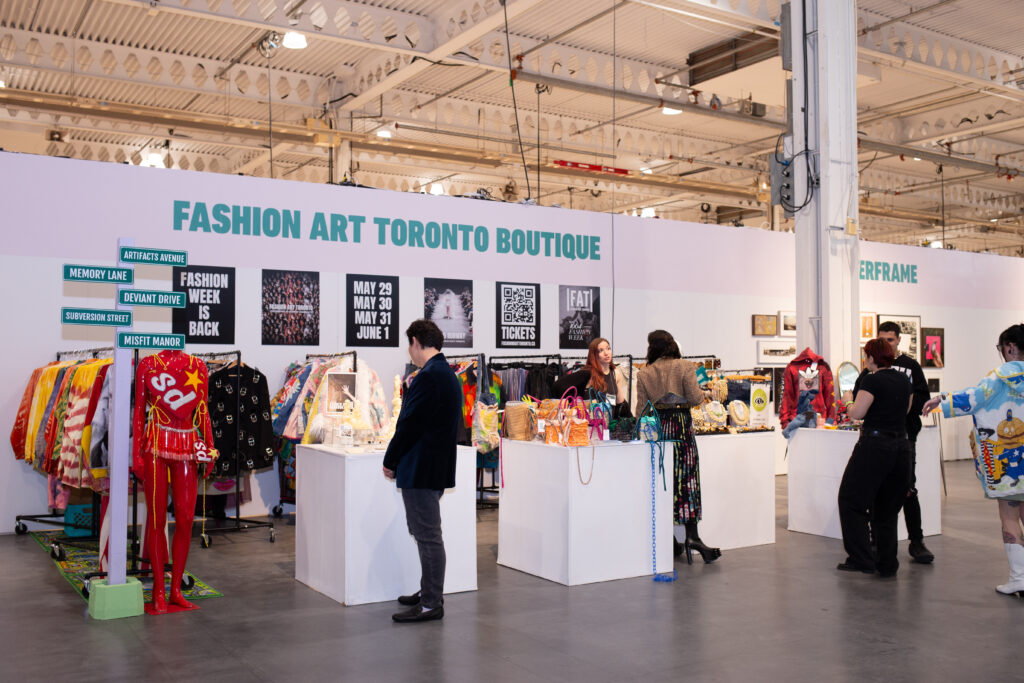
“When people come, I want them to feel like they’re part of something bigger,” says Vasic. “Fashion isn’t just about seeing clothing. It’s about experiencing stories, meeting people and connecting emotionally to creativity.”
That emotional connection is also what has allowed Fashion Art Toronto to survive while so many Canadian fashion week shows have disappeared.
Vasic on building Canadian fashion without waiting for validation
Over the years, FAT’s become known for championing emerging designers, queer creatives, Indigenous artists and experimental work that’s often overlooked. But there’s another thing Vasic wants to bring to the forefront of fashion.
“Trying to convince Toronto that Toronto is important has always been a struggle,” Vasic says. “[Designers and artists] from Berlin, Portugal and Qatar want to come here. They want to show here. But we still struggle to celebrate our own talent properly.”
So, it’s telling that FAT’s 2026 theme, “Toronto Show Yourself,” which encourages us to embrace our creative identity instead of constantly looking elsewhere for validation.
“We are a cool city,” she says with a laugh. “We need to stop hating on ourselves so much.”
Inside the community-driven future of Canadian fashion
Over the years, FAT has become a launchpad for emerging designers, models and artists, many of whom started as volunteers or students before growing into larger roles within the industry.
“Community and collaboration are everything,” says Vasic. “Sometimes people come to us at a really early stage, and through time we help elevate them and grow alongside them.”
That collaborative spirit extends behind the scenes too. Vasic proudly describes Fashion Art Toronto as largely women-led, from social media and photography to production and creative direction.
Like other industries since the pandemic, fashion has changed. While much of the fashion world came to a halt, Fashion Art Toronto launched what Vasic describes as the world’s first fully virtual fashion week, producing large-scale digital presentations filmed across Toronto.
Now, Vasic says the industry feels busier than ever.
“Everything feels insanely busy now,” she says. “There’s very little time to just breathe.”
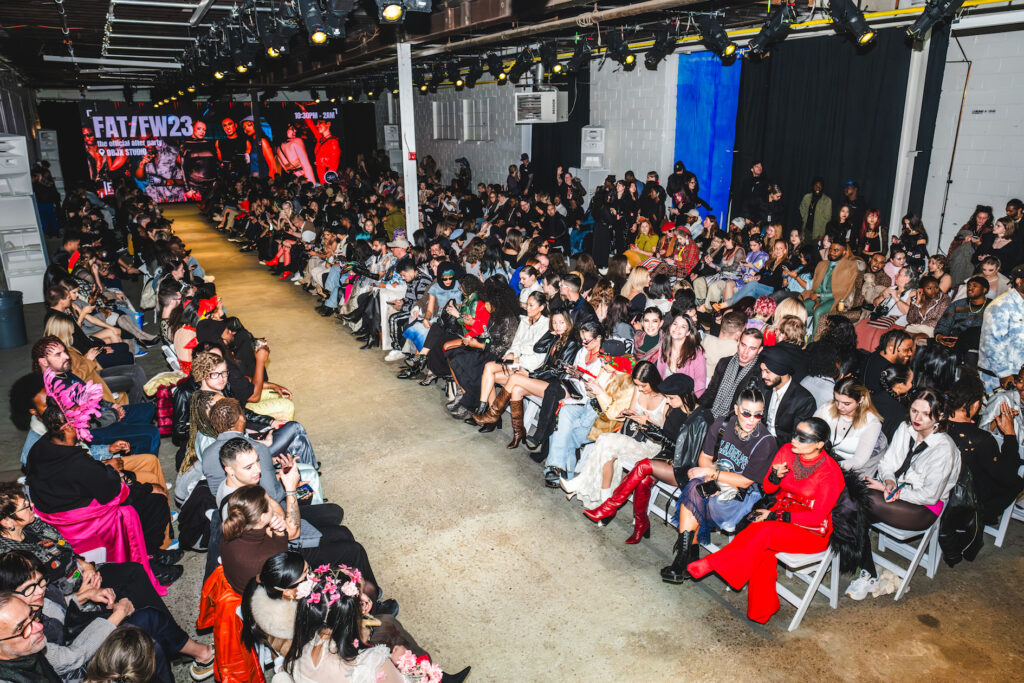
As we finish our conversation, she’s already thinking ahead to upcoming production schedules and the whirlwind energy of fashion week itself.
“This is the fun part,” she says with a smile. “When the event hits, we get to enjoy it.”
Maybe that’s what makes FAT resonate in a way that feels distinct from other fashion weeks Toronto’s hosted. Under Vasic’s direction, it has become less about exclusivity and status and more about inclusivity, creativity and connection.
For a city still learning how to believe in its own creative identity, that might be the most fashionable thing about it.