

Is Kris Jenner behind peptides? I can’t scroll my phone, watch TV, listen to a podcast, or eavesdrop on people’s conversations at a cafe, all without hearing about peptides. Move over protein, water, heck even Timothée’s take on the arts, peptides want our attention.
And apparently for good reason. Peptides are listed as ingredients everywhere, from skincare and injectables (not yet in Canada, though) to health supplements and shampoo bottles. Like your fitness influencers’ favourite topic, peptides are a protein. But unlike the favourite nutrient you feel guilty for not getting enough of, it’s not being touted in your food.
So if you’re like us and want to know where the peptide bandwagon is headed, grab a seat on FLEETSTREET. We’re digging into the details and why these are in every product, from skin care to supplements.
What are peptides exactly?
Peptides are amino acids, which are protein molecules. Yes, that kind of protein that women are told they need to eat more of. Peptides are in yogurt, cheese, eggs, beef, chicken, fish and legumes. If a macro diet is touting it, you can bet that it has peptides. From food sources, peptides are released through fermentation or digestion.
“A simple way to think about peptides is that they’re messaging molecules,” says cosmetic surgeon Dr. Trevor Born, founder of TMB Cosmetic Surgery, “telling cells to do something, stop doing something, repair something or produce something.”
For the body, that means regulating the metabolism, supporting immune function, and promoting muscle growth and recovery. On the head, it’s said to help with hair growth and support a healthy scalp. Born says that some claims can be compared to that of steroids. So you’ll see it on the supplement aisle, but also in the beauty aisle, too.
For skin, Born says, when applied topically, “They can support the look of firmness and hydration and may help reinforce the skin barrier.” It’s also available in prescription form, both in concentrated creams and injectables to target skin issues.
What is inflammaging and how do you avoid it?
Are peptides approved in Canada?
Yes and no. “Peptides are a broad class of compounds, and Health Canada authorizes specific peptide-based medications for specific medical indications,” says Born. “For example, there are peptide-based prescription drugs that are authorized and commonly used in Canada in areas like metabolic health, hormone regulation, and other medically supervised conditions.”
But, and there’s a but. “Where the confusion arises is that many peptides being promoted online or through unregulated vendors are not authorized for sale in Canada, and may be marketed in ways that suggest medical or aesthetic use despite lacking Health Canada approval, quality control, or safety oversight. From a patient perspective, the key takeaway is simple: if a peptide is being offered outside a regulated medical setting (especially online), it should be treated as a red flag.”
Some newer peptide-based therapies are also being studied in controlled clinical trials. For example, a Phase 2 trial of retatrutide, a multi-receptor peptide, has shown significant effects on weight loss and metabolic health under monitored conditions, highlighting how these compounds are typically evaluated through rigorous human studies before being considered for approval.
I lost 10 pounds – Here’s how I did it
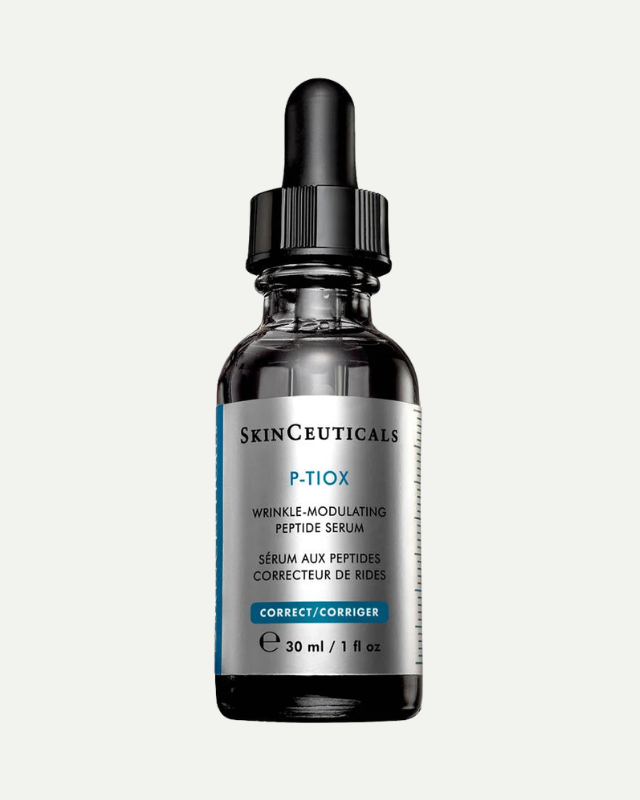
P-TIOX, $190, at skinceuticals.ca This peptide serum was created to target early expression lines and help prevent them. With a powerful peptide complex, it also smooths and refines skin as it ages.
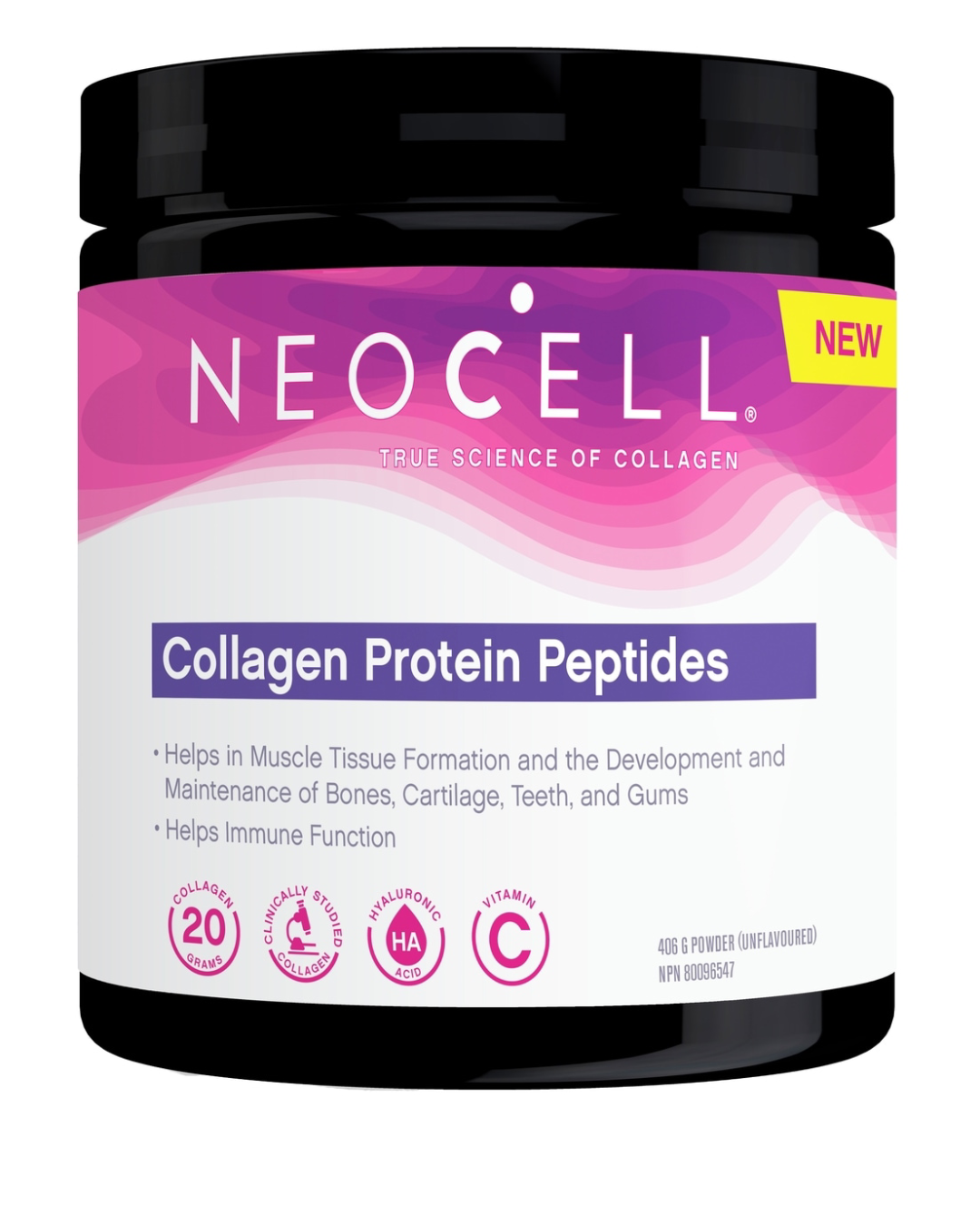
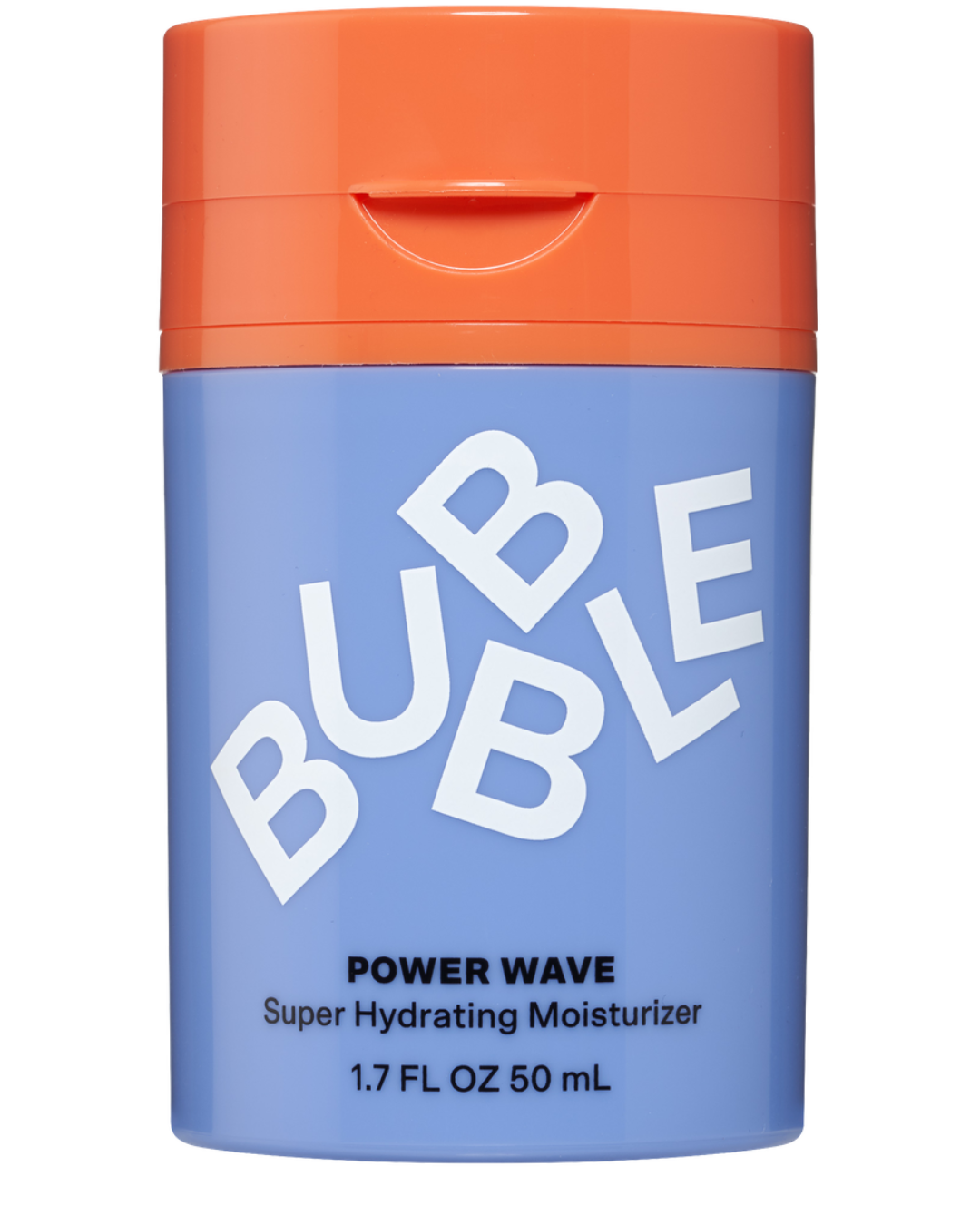
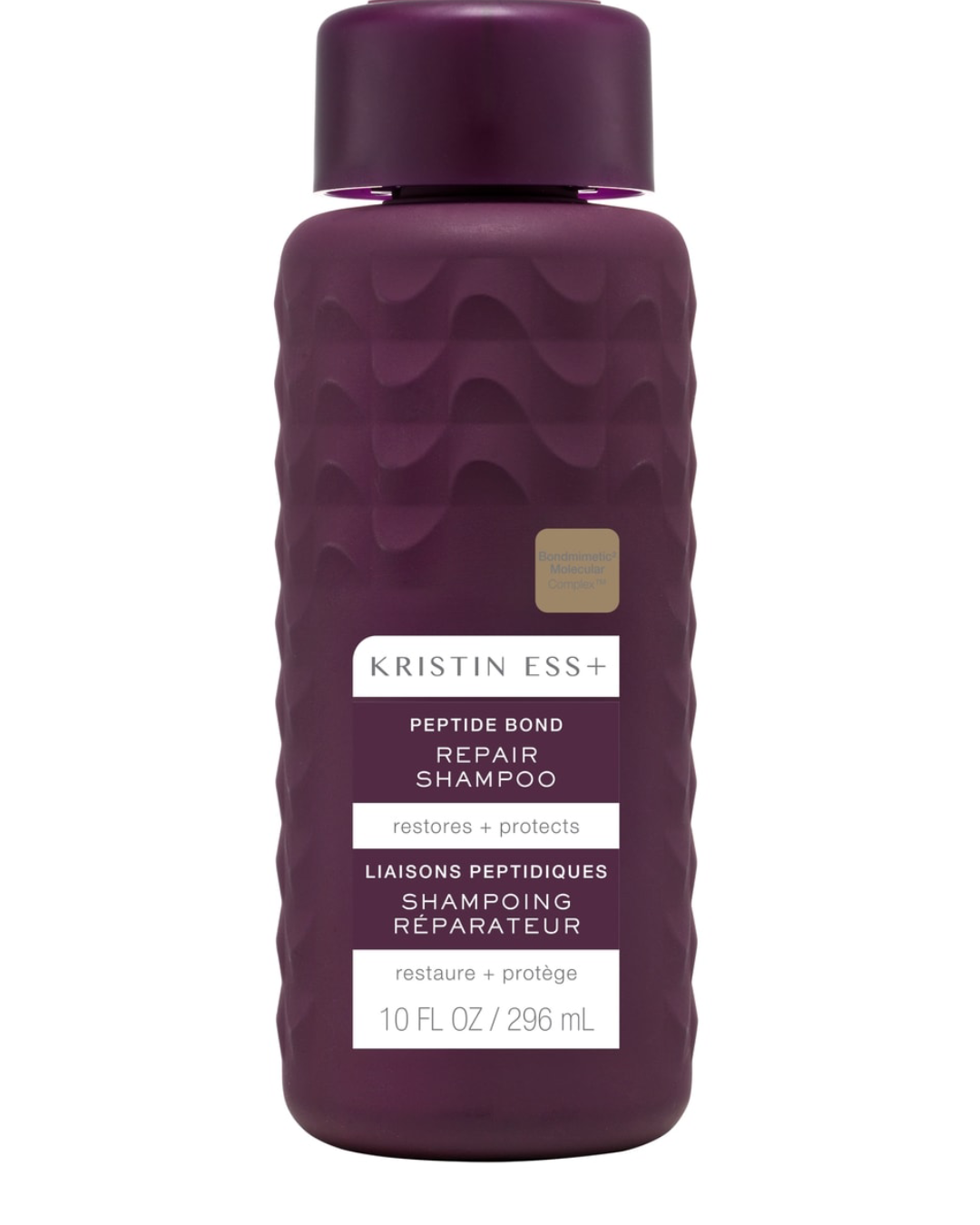
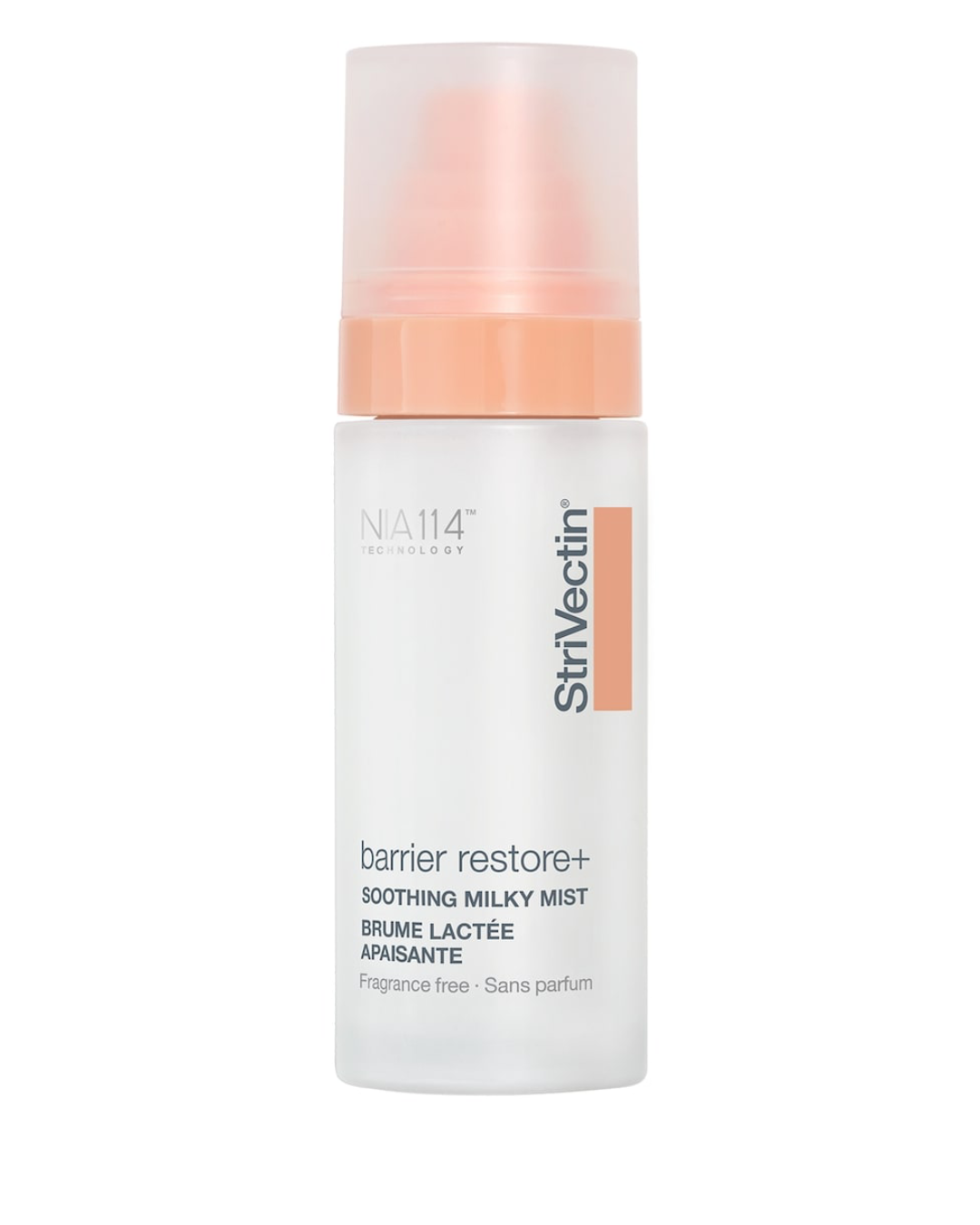
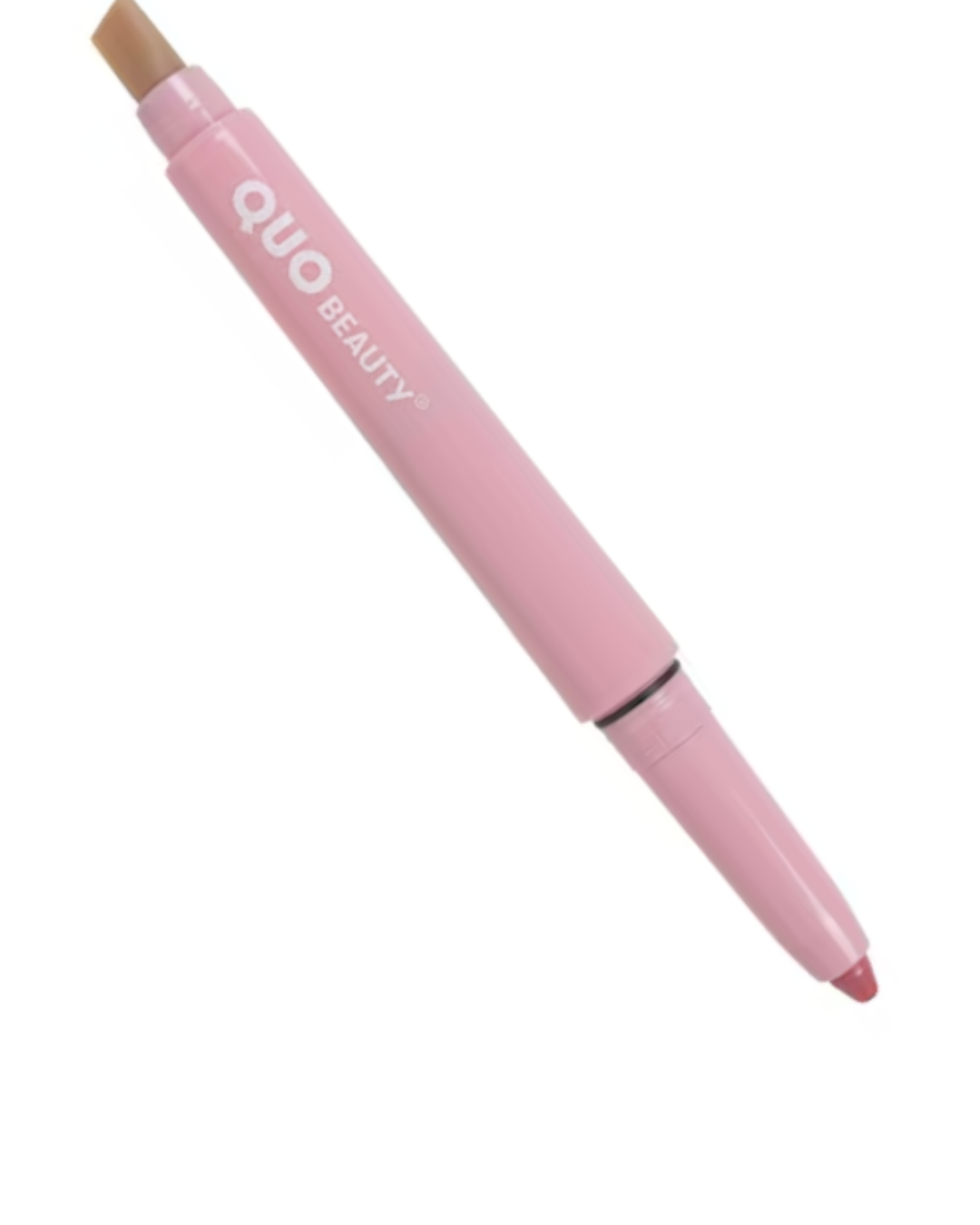
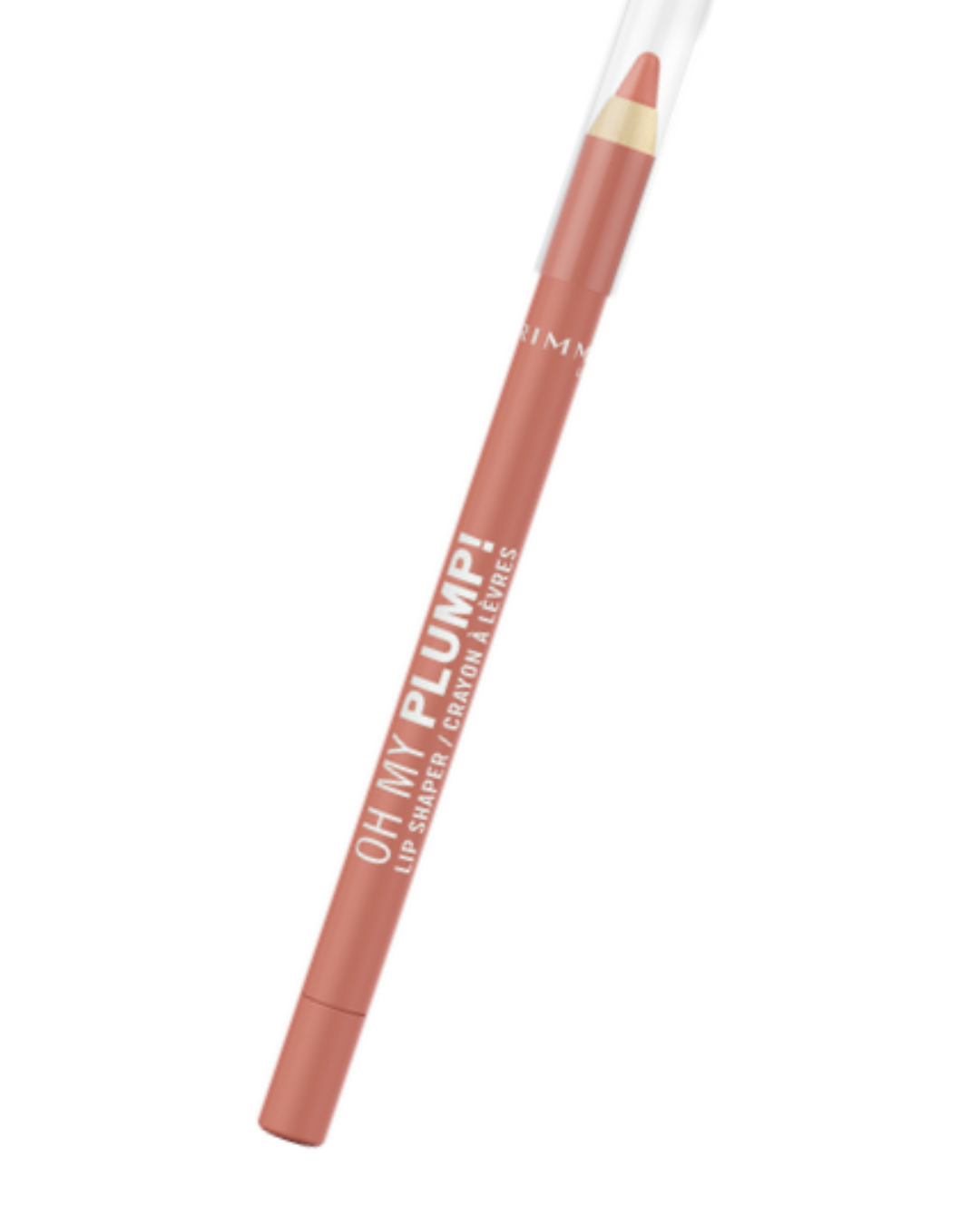
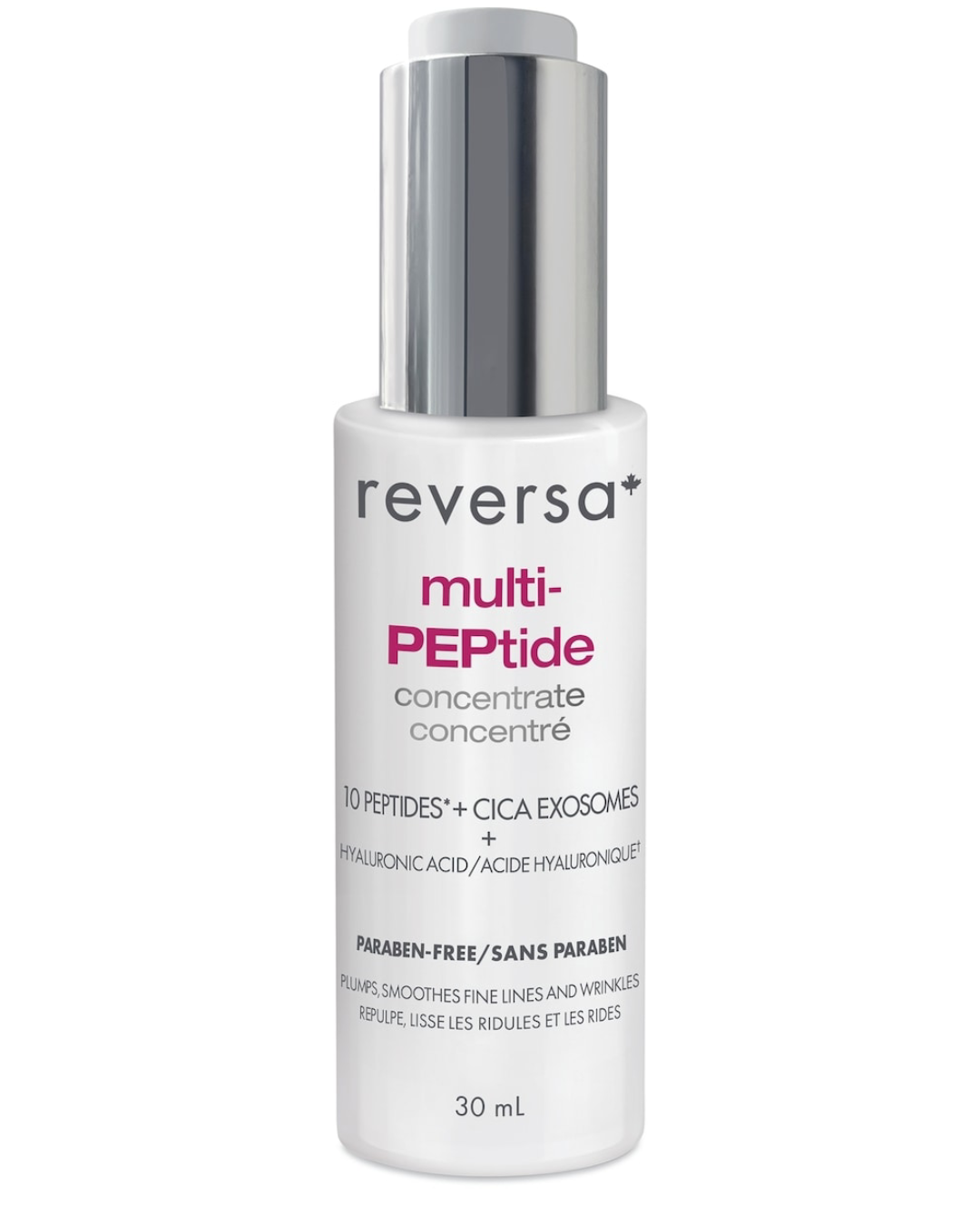
The science behind peptides
While peptides might be framed online as the next big thing—or a “low-side effect” shortcut—the research isn’t quite there. Some peptide types are ingredients in well-studied, prescription medications, while others, being promoted online, like BPC-157 (Body Protection Compound-157), TB-500 (Thymosin Beta-4 Fragment), or CJC-1295 (Growth Hormone-Releasing Hormone), are still undergoing testing and more research is needed.
Many of the peptides circulating on social media haven’t been tested in large human trials. Instead, according to reviews published in journals like Frontiers in Endocrinology, much of the available data for these compounds comes from animal studies or early-stage research, not the clinical trials needed to confirm safety and effectiveness in humans.
Weight-loss peptides, Such as Semaglutide or liraglutide (GLP-1 medications like Ozempic and Wegovy), have undergone extensive clinical trials and are approved for medical use in both the U.S. and Canada. These are prescribed, regulated and monitored.
But many of the peptides gaining traction on social media and in online biohacking forums—such as BPC-157 and TB-500 (mentioned above) haven’t gone through that same level of testing. Unlike the medically approved peptides mentioned above, these compounds are not regulated or widely used in clinical practice. While they’re often discussed alongside approved therapies, they fall into a very different category in terms of safety, quality of evidence, and clinical validation.
That’s where things get murky. The way these products are marketed can make them seem backed by solid science, but according to clinical research standards, there’s a major difference between peptides that have gone through full Phase I to III trials—with ongoing safety monitoring and those still sitting in preclinical or investigational stages. And that difference isn’t just technical, it’s what separates something that’s been proven to work from something that’s still a question mark.
Where can you find and buy peptides?
Born says there are two worlds of peptides. Number one: the regulated medical peptides, which are available by prescription. “These are Health Canada-authorized medications, prescribed by a licensed healthcare provider and dispensed through legitimate pharmacies. They have defined manufacturing standards, stability requirements, and safety monitoring.” Your health care provider will let you know how often you need the treatment as part of your prescription. “Canadians should know that many of the peptides being marketed for injection are not authorized, and there is real risk in self-administering or receiving unregulated injectables.”
The second group are over-the-counter cosmetic peptides, which are meant to be used topically, meaning you apply it to the skin like you would a moisturizer or serum. “They may support hydration, barrier function, or the appearance of firmness.” They are meant to be used regularly as part of a skincare routine.
However, there is also a growing third category that exists in a grey-market space online. Many websites and social media accounts promote and sell injectable or “research-use” peptides directly to consumers without prescriptions. These products often bypass regulatory oversight, meaning their purity, dosage, and safety are not guaranteed. While they may be marketed as cutting-edge or biohacking tools, purchasing from these sources carries significant risk, as they are not vetted, approved, or monitored in the same way as medical or cosmetic-grade peptides.
Putting the pep in peptides
Like any good fashionable trend, there will be bad knockoffs. And Dr. Born says we “should not assume that ‘popular’ means approved, safe or legal.” So, don’t just buy into the hype.
Make sure you’re buying from trustworthy brands that are backed by clinical trials,(using the actual products), getting treatments from accredited health professionals, and know the risks. That last one includes hormone imbalance, abnormal tissue growth, cancer and more.
While peptides may be something you can find in protein foods, it’s not just about getting more. The body already tightly regulates many of these signals through what’s known as feedback loops. According to research in endocrinology, hormone systems—including those involving peptide hormones like growth hormone—are controlled by negative feedback mechanisms, where rising levels signal the body to reduce further production to maintain balance .
So adding compounds that interact with these pathways isn’t always as simple as it’s made to seem. More isn’t always better, and in some cases, pushing those signals in one direction can lead the body to compensate in another.
So before using a peptide-boosting serum, supplement or injectable, find out if it’s been properly tested. Look beyond the marketing and packaging. Check brand websites for clinical trials, and not just generalized research.
Getting acne in your 30s and 40s? You’re not alone.
Peptides and social media
A growing concern among researchers and clinicians is the rise of peptides being promoted by influencers, wellness brands, and online communities on platforms like TikTok and Instagram. Many influencers market injectable peptides directly to consumers. They include disclaimers such as “not medical advice” or “for research purposes only.” While these disclaimers may sound responsible, they are often used to sidestep regulation rather than ensure safety. Now, before you decide to turn yourself into a lab rat, know that these products, frequently unapproved, lack quality control and are not intended for personal use, even if they are being presented that way.
Many TikTok creators and wellness influencers are reassuring users (see below) by arguing that a lack of FDA approval in the U.S. or Health Canada authorization in Canada does not necessarily mean a product is unsafe. They often compare peptides to everyday skincare or cosmetic products that are widely used without formal drug approval. Some also claim that regulatory gaps exist because of limited research funding or because naturally occurring substances like amino acids are difficult for pharmaceutical companies to patent.
And we have creators saying things like this:
Peep the caption though…”For research purposes only.” Surely nothing to concern ourselves with… right? Wrong.
Many of these creators also go a step further, posting detailed tutorials on how to self-administer peptides at home. Videos often show how to mix the peptide with bacteriostatic water, how to disinfect the vial, and how to inject the substance, steps that mirror clinical procedures, but without medical oversight. While this content can make the process seem straightforward, it removes important safeguards. In a medical setting, injections are done under sterile conditions with proper dosing, monitoring, and follow-up care. Online, that responsibility is shifted entirely onto the user, often without a full understanding of the risks.
TBH, these arguments can be misleading. Drug approval processes in both the U.S. and Canada are designed to ensure safety, consistency, and efficacy, especially for products that are injected into the body. It’s important to be cautious of messaging that downplays these standards or frames regulation as optional. Marketing that blends scientific language with anecdotal results can make unproven treatments seem credible, particularly when it encourages self-administration. When it comes to peptides, sourcing and supervision matter. What’s trending online is not the same as what’s medically safe.
Is serum active?—The Ingredients that make a good serum work
Are all peptides the same?
So you might be asking yourself, are the injectable peptides the same as the ones being added to your favourite serums? I know we were. The short answer is no. Even though they share the same name, not all peptides are created or used in the same way.
In skincare, peptides are typically applied topically and are designed to support things like hydration, barrier function, or the appearance of firmness. These formulas sit on or near the skin’s surface and are generally used as part of a daily routine.
Injectable peptides, on the other hand, are designed to act within the body, often targeting specific biological pathways like hormone regulation, metabolism, or tissue repair. Because of how they’re delivered, they interact with the body very differently and carry different risks.
According to research in the International Journal of Pharmaceutics, peptide-based therapeutics, how a peptide is delivered (topical vs injectable) significantly affects how it behaves in the body, including how it’s absorbed, distributed, and how long it remains active.
That’s why comparing a peptide serum to an injectable peptide isn’t exactly apples to apples—even if they’re often talked about that way online.
What do balms actually do for your skin?
So…are peptides worth the hype?
We can’t lie… we are intrigued. However, like most things that suddenly show up everywhere all at once, the answer is: it depends. Some types are backed by solid research, prescribed in medical settings, and play an important role in treating health conditions and concerns. Other peptides continue to be studied. And some have no lab testing behind their claims yet. It’s sort of like the wild, wild west of peps. The tricky part is that they’re all being talked about in the same breath.
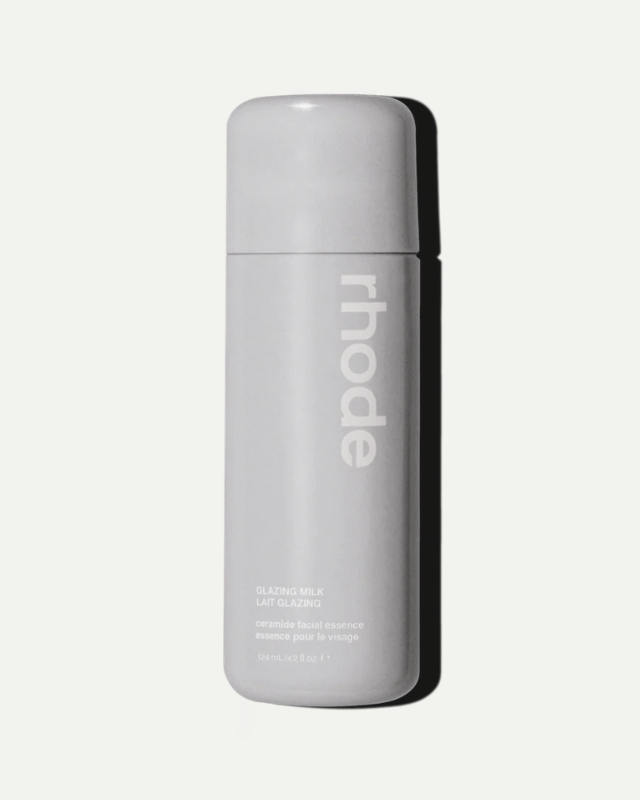
Which brings us back to the question: is Kris Jenner behind peptides? Not exactly, but it’s not a stretch to see how we got here. Between Kardashian-adjacent beauty routines, Khloé Kardashian casually mentioning peptides on her podcast, and Hailey Bieber’s Rhode peptide lip treatments turning “peptide” into a buzzword that you probably already keep in your bag, the ingredient has quietly moved from clinic to culture.
So before jumping on the peppers bandwagon, slow down. Ask yourself where they’re coming from, who’s recommending it, and whether the claims hold up beyond a TikTok or IG carousel testimonial. Because when it comes to your health, the difference between what’s trending and what’s tested matters. Sometimes, waiting to see how it all unfolds is a better strategy than jumping on a bandwagon too early and regretting it later.